

Oudtshoorn, 29 January 2025 – The cleanup and clearing of congested and blocked areas of the Grobbelaars River began in December 2024 as part of the Greater Oudtshoorn Municipality’s broader “Ek Help Ook” (I Also Help) initiative, led by the office of the Executive Mayor, Alderman Johan Allers. This project addresses the critical infrastructure challenges caused by river blockages.
Executive Mayor Allers commended the collaborative efforts that brought the initiative to life, stating, “The initiative began with great support from private property owners, who provided funding and machinery to help the municipality. Since the municipality had limited funds, this teamwork was key to getting the project moving.”
The river cleanup is part of the “Ek Help Ook” project, which has already brought the community together through events like a Christmas Carol Evening. It aims to reduce flood risks and turn the Grobbelaars River into a walking park for everyone to enjoy.
The project has been systematically divided into ten zones, each covering streets connected to low-water bridges. Dedicated WhatsApp groups have been established to coordinate efforts with Ambrose Carelse, Environmental Officer of the Greater Oudtshoorn Municipality, who plays an active role across all zones as the central coordinator. The plan of action should be finalized before any activities commence. Private institutions or residents must contact Carelse at 076 078 4629 before proceeding with any activities.
Work commenced in Zone 10, near the new mall under construction, and progressed to Zone 9, including Albert and Rademeyer Streets. The response from these communities has been exceptional, with residents funding 100% of the cleanup in their areas.
As part of the Grobbelaars River cleanup, significant progress has been made in key areas:
Rademeyer Street (Zone 9)
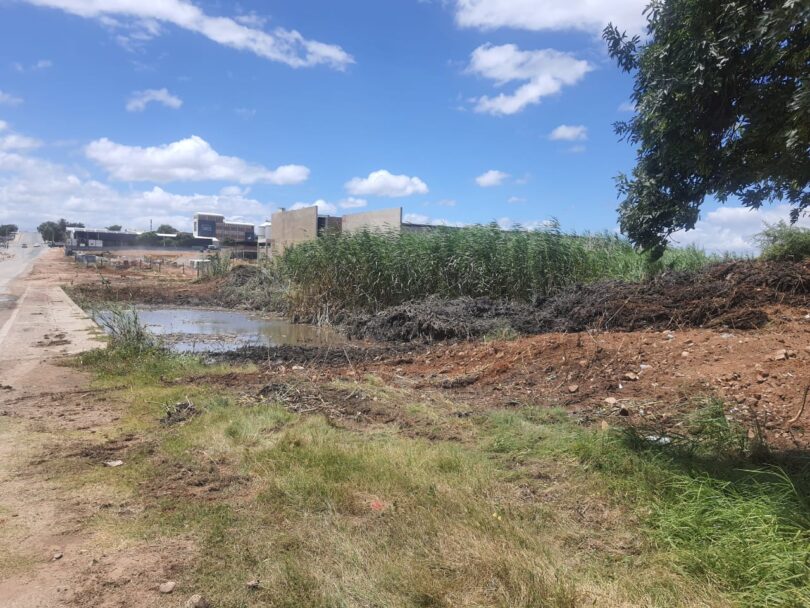
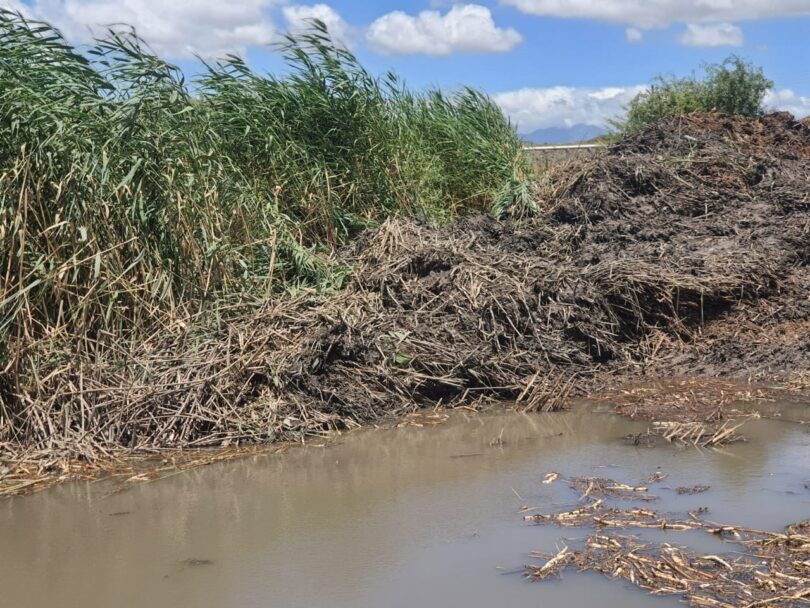
Cleanup efforts began at Rademeyer Street, where the new mall is under construction. This area experienced severe flooding during the last significant rainfall due to blocked river systems. Key obstructions removed included approximately 80 tyres, building rubble (possibly from illegal dumping), around 60 wooden pallets, tree branches, and reeds entangled with debris. These blockages severely restricted water flow under the low-water bridge, worsening the flooding.

Church Street (Zone 3)
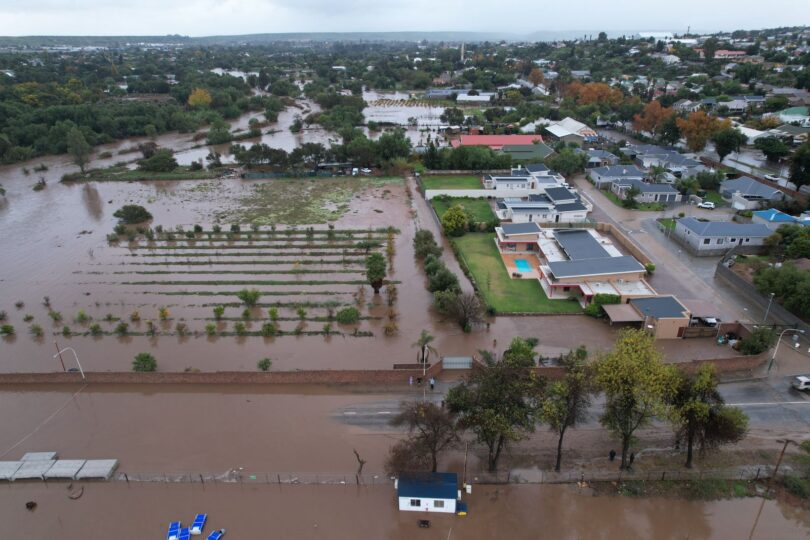
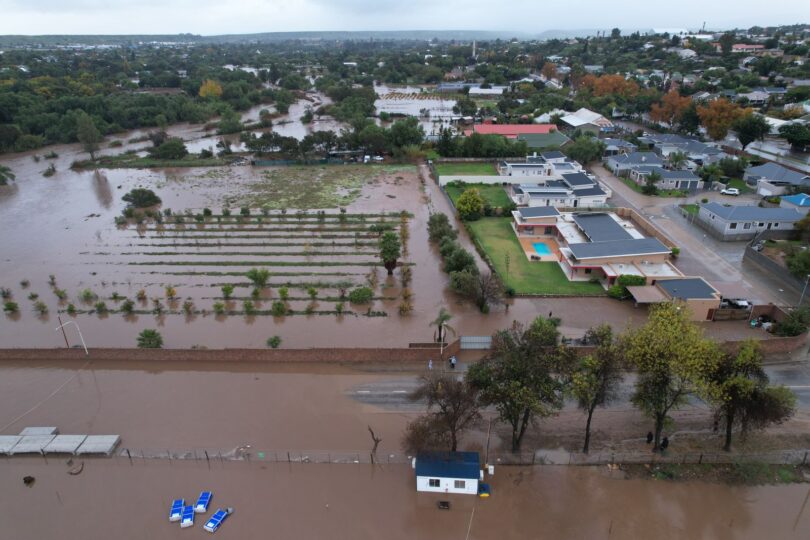
In Church Street, loose sand and rock material were identified as major blockages. This area has been a persistent financial burden for the municipality, with the low-water bridge frequently overflowing, even during light rains. The road infrastructure has been repeatedly repaired due to water damage, placing it under ongoing stress. Contractors faced challenges clearing the buildup caused by years of sediment accumulation. This section is also a frequent source of complaints from residents and businesses due to unpleasant odours from the stagnant water.

Upstream Areas
Several upstream sections remain inaccessible, posing a continued threat to properties. These areas have already caused significant damage, but limited access and time constraints have slowed progress. Residents have raised concerns about potential liabilities if these issues are not resolved promptly.

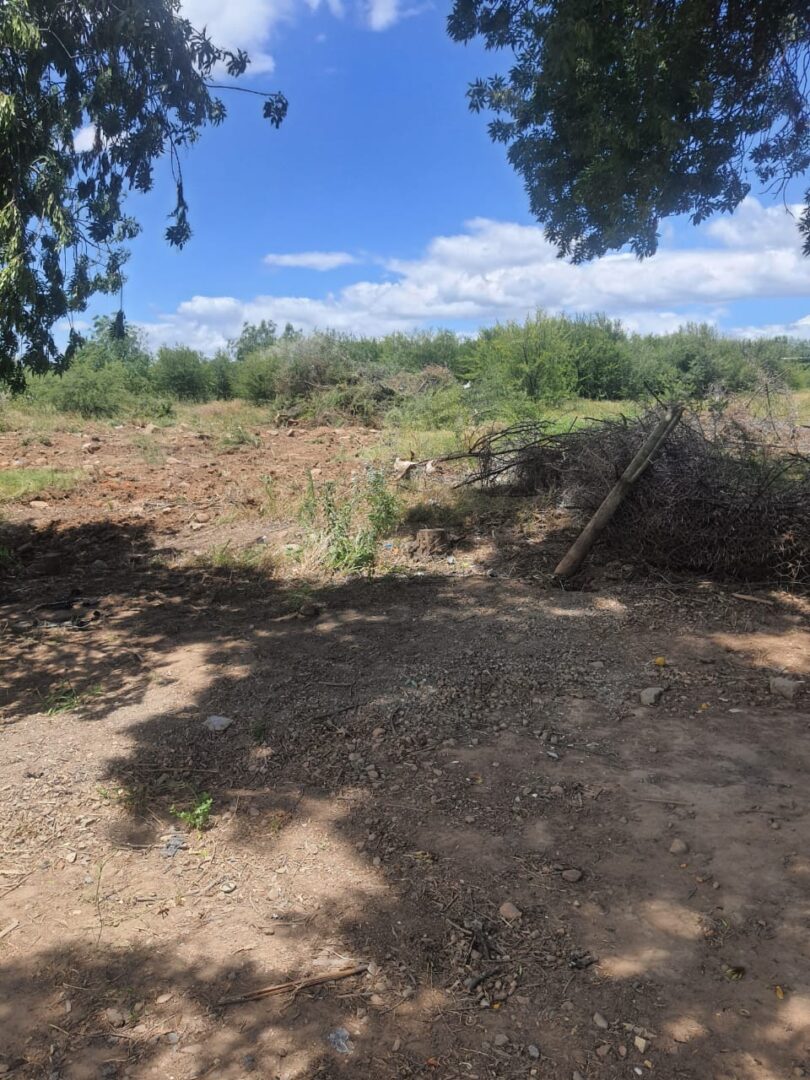
“The municipality is actively addressing these challenges while working with private property owners and the community to ensure continued progress,” stated Mayor Allers.
Despite this progress, challenges remain. Some zones, such as those between Noord Street (Zone 1) and Van der Riet (Zone 2) and Bloem (Zone 7) to Albert Streets (Zone 8), are not yet fully operational. Limited participation and complex blockages have required creative solutions, including partnerships with private individuals to manage cleanup in areas like Church and Bloem Streets and near the Rotarier Retirement Village.
The municipality has obtained a permit from the Department of Environmental Affairs, valid until 28 February 2025, to continue work in the river. Residents are encouraged to participate in this vital initiative and can contact the Executive Mayor’s office for further details or to offer assistance.
Looking ahead, the next phase of the project will resume in February 2025, with private owners pooling resources to assist with the remaining work. The municipality are urging property owners to not put fencing near low-water bridges and not do any construction activities within 32 meters of the river system to prevent further obstructions. Inspections will be conducted in collaboration with Town Planning and Building Control to ensure compliance.
Executive Mayor Alderman Allers expressed gratitude for the community’s support, saying, “This project is a testament to what we can achieve when we work together. I invite every resident to contribute to the “Ek Help Ook” project and help us create a cleaner, safer, and more beautiful Oudtshoorn”. Mayor Allers further stated that he is “deeply grateful for the support we have already received and look forward to seeing even greater community participation.”
While progress has been made, significant work lies ahead. The municipality remains committed to completing the Grobbelaars River cleanup and mitigating future risks to infrastructure and the community. Further updates will be provided as the project advances.
The different Zones are as follows:
Zone 1 – North Street
Zone 2 – Victoria & Van Der Riet Street
Zone 3 – Church Street
Zone 4 – St John Street
Zone 5 – Voortrekker Road
Zone 6 – Vrede Street
Zone 7 – Bloem Street
Zone 8 – Albert Street
Zone 9 – Rademeyer Street
Zone 10 – Train bridge
For more information or to get involved, please contact the Executive Mayor’s office at 044 203 3000.


